Which types of gravel can be weeded mechanically?
A mechanical weeder works on most landscaping gravels, from fine pea gravel to coarser grades. How well the surface has been maintained matters more than the type of gravel. This guide covers suitable gravel, what affects results, difficult surfaces and frequently asked questions.
The short answer: most landscaping gravels
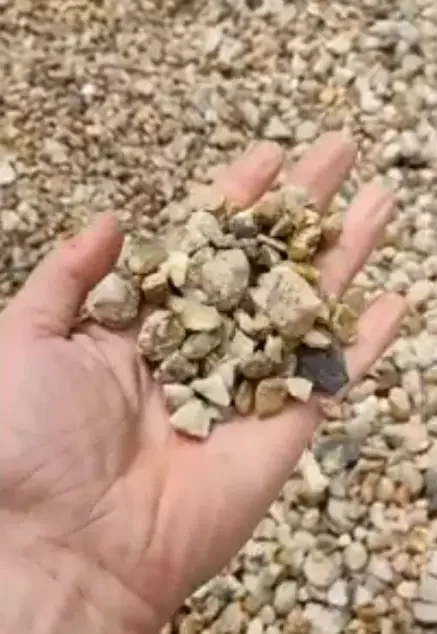
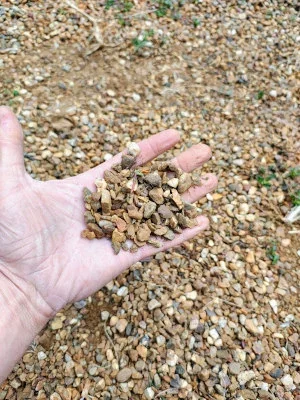
Fine 4/10 gravel, gravel used on château grounds and coarser grades are all typical applications. This includes rounded or crushed gravel made from limestone or volcanic rock.
The condition of the surface is often more important than the type of gravel. See the compatibility table.
Gravel compatibility at a glance
| Gravel type | Typical size | Compatibility | What to watch for |
|---|---|---|---|
| Fine pea gravel / château gravel | 4/10 mm | Compatible | 4/10 is the reference grade |
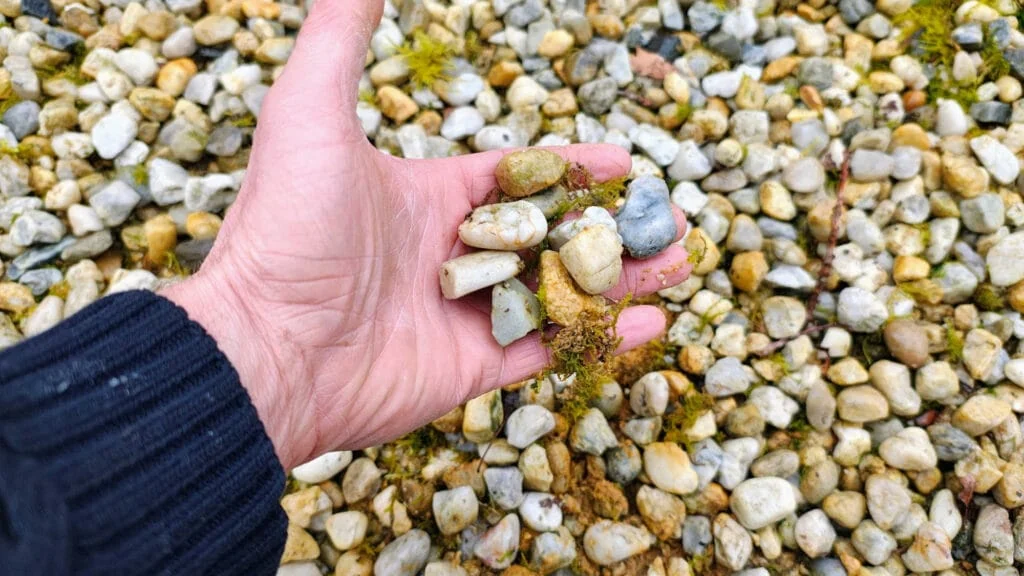
| Rounded gravel | 10/20 mm | Compatible | Rounded stones move easily when the surface is loose |
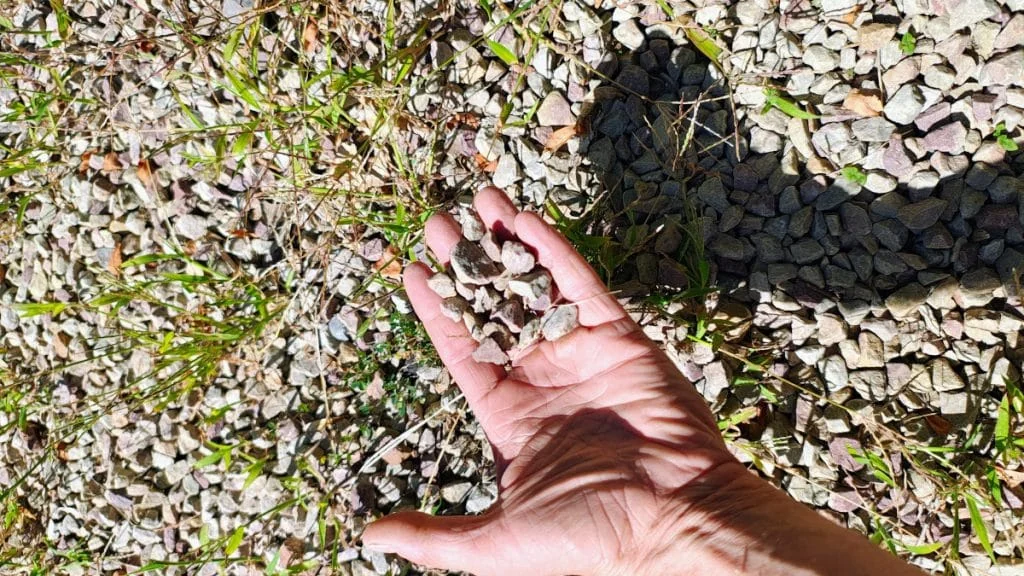
| Crushed gravel | 10/20 mm | Compatible | Angular stones interlock and can form a compacted surface |
| Coarse gravel or stones | 20/40 mm | Compatible | Large stones can jam the blade |
Sand | < 2 mm | Compatible | Sand dries slowly. If a handful does not run freely through your fingers, it is too wet. |
| Limestone or volcanic gravel | Varies | Compatible | The rock type alone does not determine results |
| Decorative pebbles | > 40 mm | Not compatible | Maintain this type of surface by hand |
| Gravel held in honeycomb grids | Varies | Not compatible | The blade damages the grid |
| Gravel over geotextile fabric | Varies | Not compatible if the fabric is visible or flush with the surface | The blade damages the fabric |
Results observed during demonstrations. Performance depends on surface condition, including vehicle traffic and weed growth.
What matters more than gravel type
- Maintenance. Regular upkeep reduces the work required. An overgrown driveway may take several passes at first.
- Compaction. The blade can skim over a layer hardened by vehicle traffic.
- Depth of loose gravel. The blade needs enough loose material to work without touching the hard base. Allow for an initial restoration pass when starting out.
- Buried stones. Find and remove any stones that could obstruct the blade before the first pass.
- Moisture. Work on a fairly dry surface to avoid bringing soil to the top. Moderate moisture, such as the day after rain, is acceptable. Weeds come out more easily in moist ground, but the finish can be muddier. A one-off pass on quite wet ground may help with a difficult restoration.
- Slope. Follow the slope limit in the manual for your model.
When a mechanical weeder is unsuitable
Avoid areas with too little gravel, slopes beyond the permitted limit and incompatible surfaces listed in the table above.
For narrow or inaccessible areas, finish the work by hand, for example with the RBVx50.
Special case: gravel surfaces used by vehicles
Repeated vehicle traffic compacts the top layer. Once it hardens, the blade can skim over the gravel. Start slowly on a small patch. If the blade penetrates, several passes may be enough. If it skims, loosen the surface slightly by hand with a pick or with a suitable harrow.
On a regularly used gravel yard, one pass every month or two is a starting point. Adjust the frequency to traffic and gravel condition.
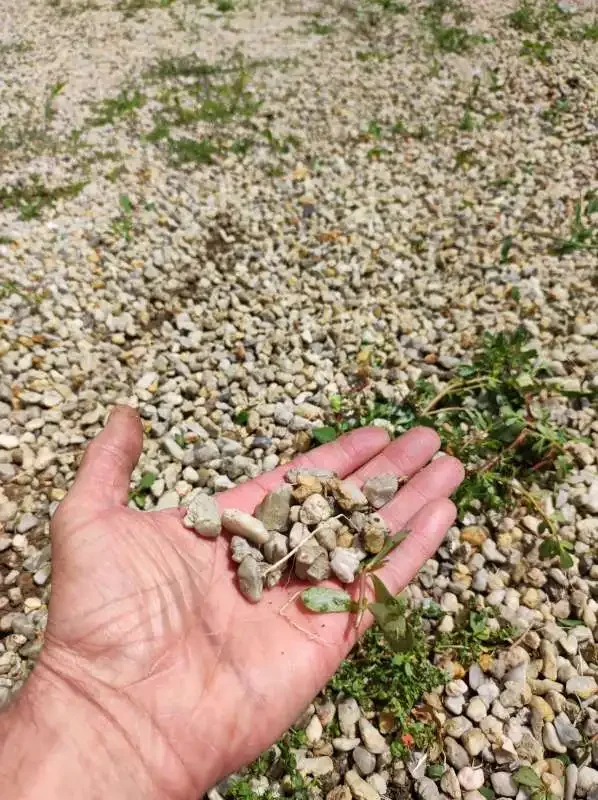
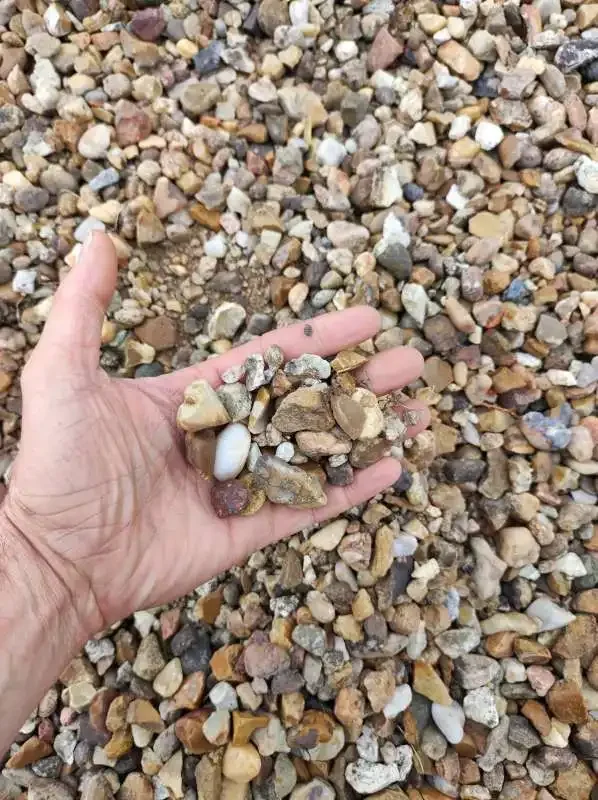
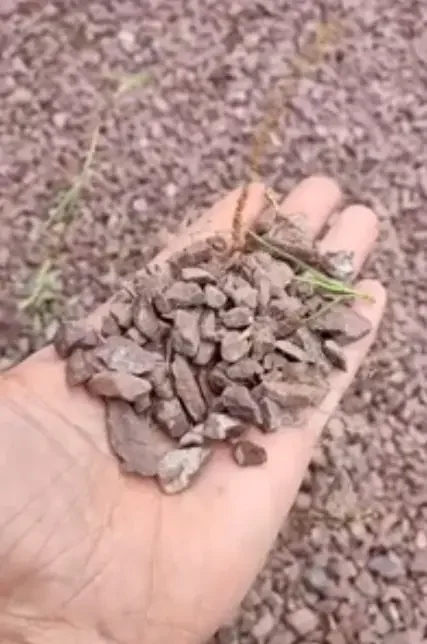
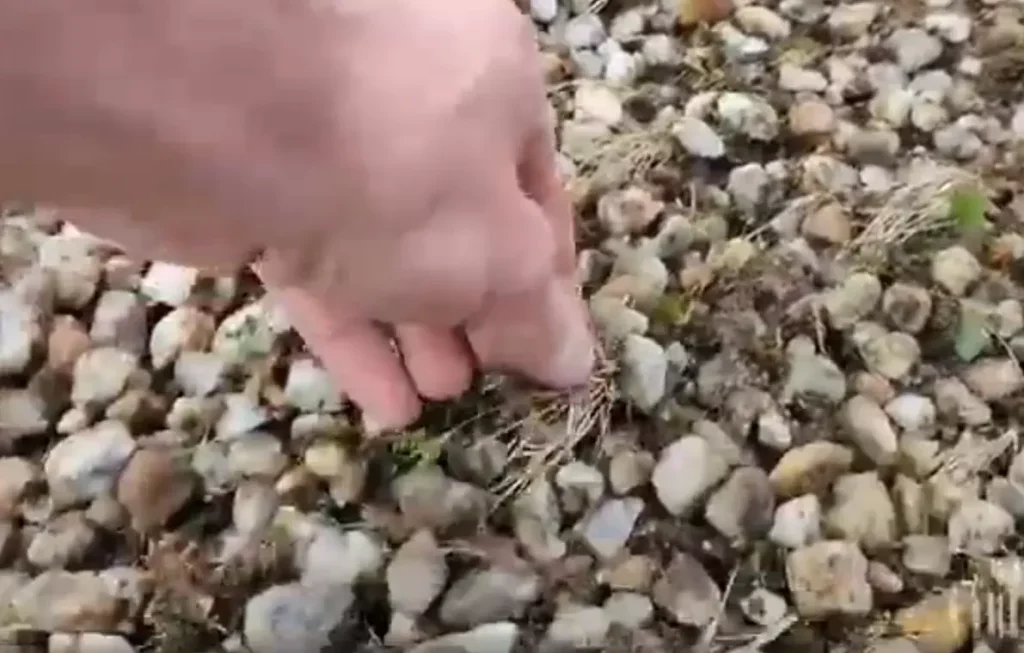
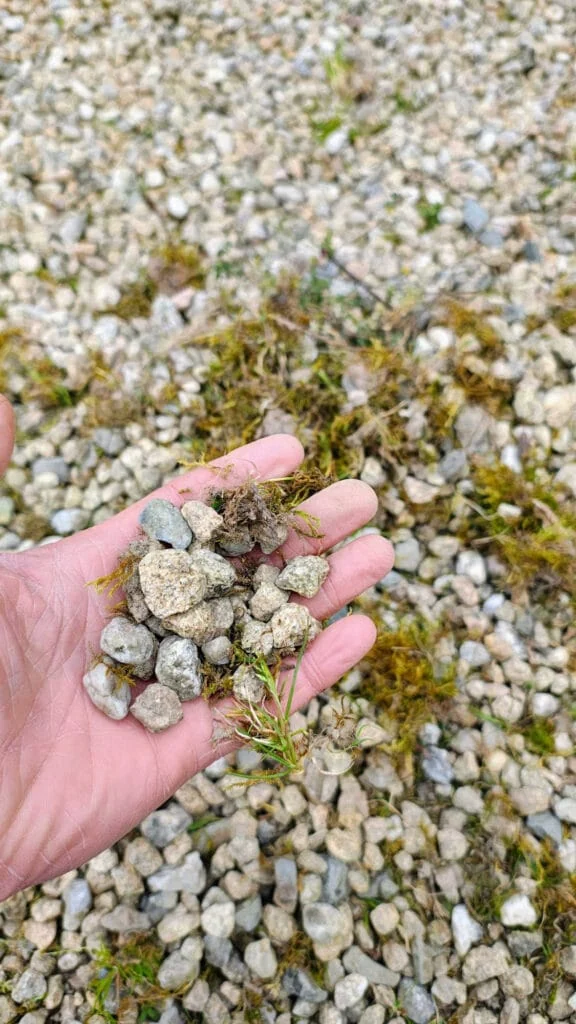
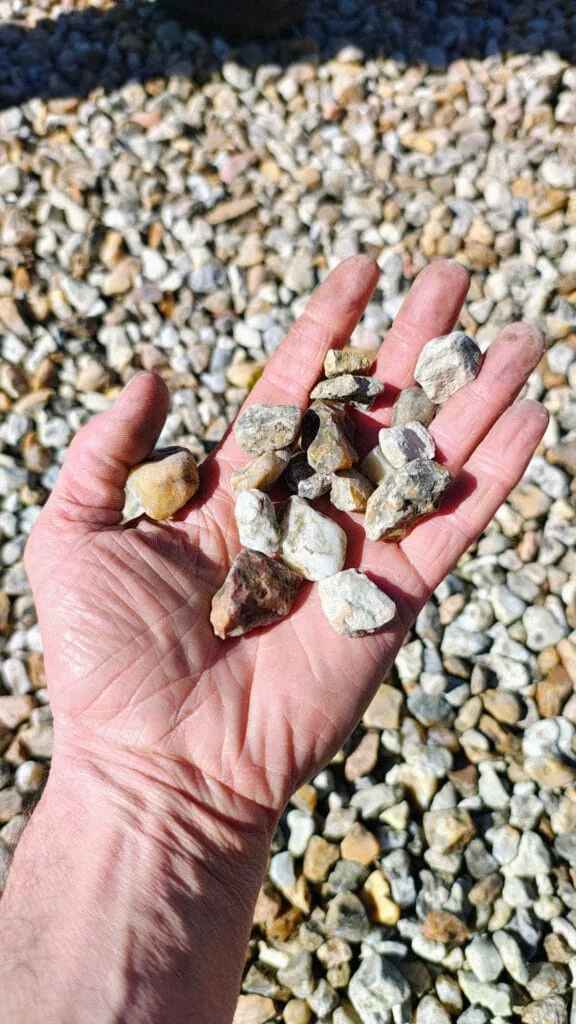
Photos of mechanically weeded gravel
Frequently asked questions
Can you weed rounded gravel?
Yes. Rounded gravel flows most freely, so it passes over the blade more easily.
Should I remove the gravel before weeding?
Leave the gravel in place. The blade moves beneath the surface and brings loose stones back to the top. Find and remove stones that might obstruct it.
My gravel is heavily compacted. What should I do?
Start slowly and keep working until the top layer begins to loosen. If the blade skims over it, adjust the ballast and see the method for surfaces used by vehicles.
How deep should the gravel be?
Well-established gravel layers are often deep enough. Some newer yards have too little gravel if the layer is less than three or four stone diameters deep. Check the depth on a small representative area.
Will the weeder damage the gravel?
No. The blade lifts and redistributes the existing gravel. This reduces the need to add fresh gravel.
How many passes are needed?
One pass may be enough for routine maintenance. Allow several passes on a heavily overgrown surface.
Which model should I choose for my area?
The manual RBVx50 has a 45 cm working width and is suitable for yards under about 200–300 m². The towed RBVx100 has a 95 cm working width.
Choose your weeder
For a small driveway or a narrow space, see the manual RBVx50. For larger areas, compare the towed RBVx100 configurations according to your vehicle and hitch.